

Radiantec, the leader in Solar Heating, Solar Hot Water,
& Solar Radiant Heat since 1979!




Radiantec
has the longest and strongest credentials
|
||||||||||||||||||||||||||||||
 |
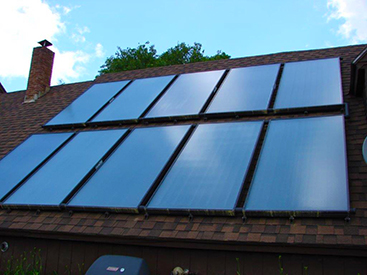
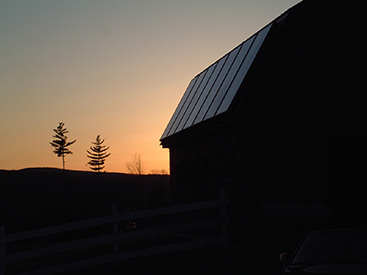
Radiantec Company has been a part of hundreds of solar heating projects located all over the world. |
|
These projects have been the subject of cover stories in National heating and building magazines. |
|
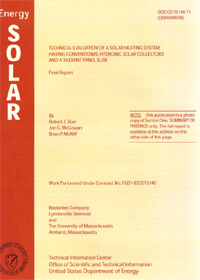
Our designs were developed under grants from the United States Department of Energy and the National Bureau of Standards. Their performance is well proven. |
|
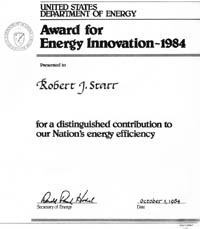
Our Designs won the 1984 Department of Energy Award for a "significant contribution to our Nation's energy efficiency". |
Radiantec uses the latest and most efficient technology
|
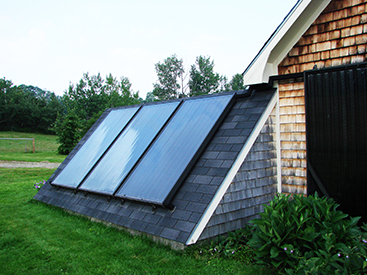
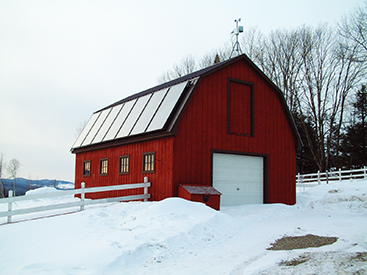
Radiantec solar energy systems use under floor radiant heat, the most comfortable and efficient way to utilize the sun's energy. |
|
Radiantec systems produce solar domestic hot water. This is important because domestic hot water is a significant energy user. |
|
Radiantec systems are versatile. They can also provide energy for gardening, snow melting and pool heating. |
|
Radiantec systems are affordable. Vermont common sense and Yankee ingenuity have brought prices down to earth. |
Radiantec can provide the support that you need.
|
Radiantec will work with you to help you decide what type of solar heating system is right for you considering your climate, building site, budget and other factors. |
|
Radiantec will provide a complete material specification and price quotation. |
|
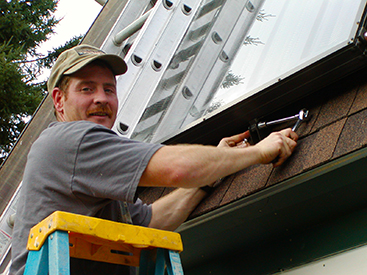
Radiantec system are offered in the form of convenient installation packages that greatly simplify things. Clear detailed instructions are provided for the reasonably competent do it yourselfer. |
|
Radiantec experts will support your architect or builder or heating contractor on a dedicated 800 number. |
Radiantec
has always been concerned about energy efficiency
...and we have been in business for 30 years.
|
In 1984 Radiantec was among those awarded the Department of Energy's Award for a “distinguished contribution to our Nation’s energy efficiency”. |
Radiantec Company performed early research on the efficient use of radiant heat using solar energy. |
 |
 |
|
Click here for more information about Radiantec’s energy efficiency qualifications. We know of many ways to use our energy more efficiently and wisely. Some are excellent ideas that will pay for themselves promptly. Others do not cost anything extra at all. All are well proven over time and meet the major National building codes. Some are eligible for significant tax credits. |
|